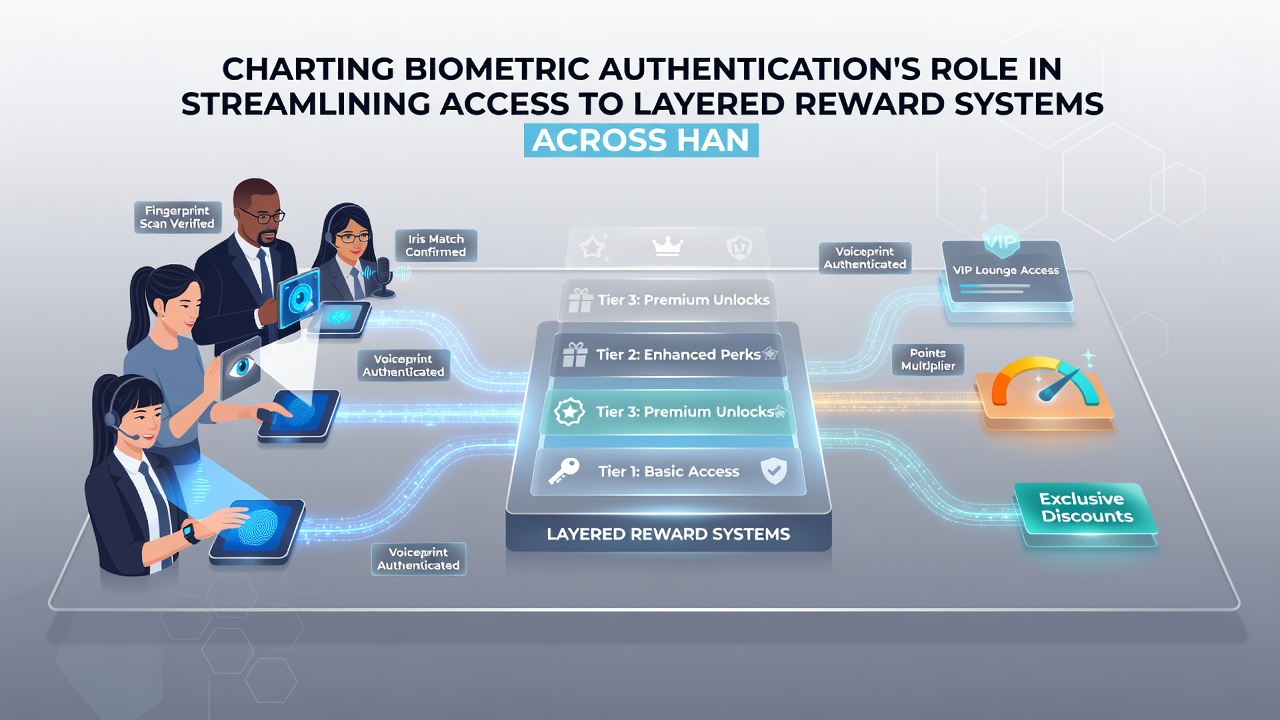
Charting Biometric Authentication's Role in Streamlining Access to Layered Reward Systems Across Handheld Gaming Interfaces
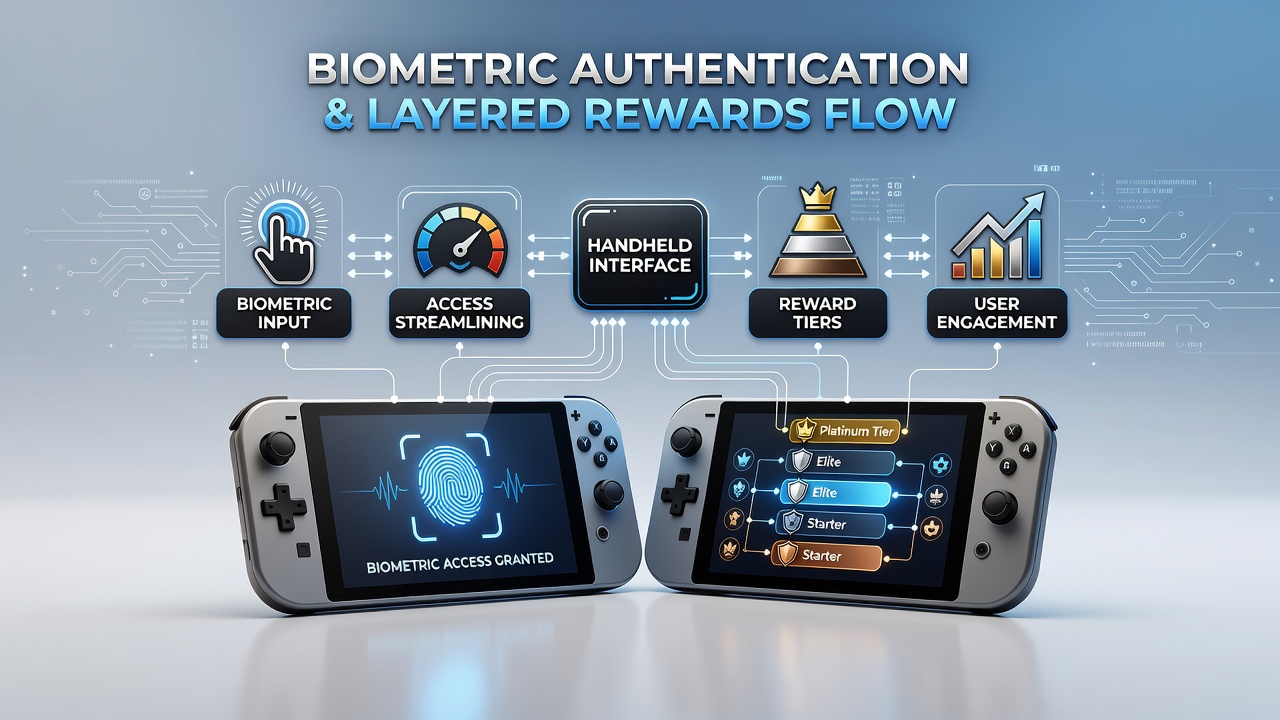
Biometric authentication has moved from niche security feature to core component in handheld gaming platforms, where it connects users directly to tiered reward structures without repeated manual logins or password resets, and data from industry deployments shows reduced friction in accessing progressive bonuses, loyalty points, and VIP level upgrades during 2026 sessions.
Integration Patterns in Mobile Reward Architectures
Handheld devices now embed fingerprint scanners and facial recognition modules that verify identity in under two seconds, which allows immediate entry into layered incentive programs such as bronze through platinum tiers that unlock escalating deposit matches, free spin allocations, and cashback percentages, while developers route these verifications through encrypted APIs that sync with backend player accounts in real time.
Studies conducted by research teams at institutions tracking digital entertainment trends indicate that platforms adopting these methods report higher session continuity because users bypass traditional credential entry that often interrupts reward redemption flows, and observers note the pattern holds across both slot-focused and live dealer environments on portable interfaces.
Technical Mechanisms Driving Efficiency Gains
Facial recognition systems capture 3D depth maps and infrared data to confirm user presence even in varying lighting conditions common during mobile play, then cross-reference against stored templates that grant tier-specific privileges such as priority tournament entry or accelerated loyalty point multipliers, and this process operates without exposing raw biometric data to game servers because processing occurs locally on the device before a tokenized confirmation passes to the reward engine.
Payment channel integrations further tie into these systems so that once a player advances through verified tiers, deposit limits and withdrawal speeds adjust automatically based on the authenticated profile, which reduces manual approval steps that previously delayed access to layered promotional packages in handheld formats.
Adoption Trends Observed Through Mid-2026
By July 2026 regulatory filings from multiple North American jurisdictions reveal increased operator filings that reference biometric login protocols as standard features for mobile reward access, and figures from state gaming commissions show platforms using these tools maintain compliance with age verification mandates while shortening the path from account creation to active participation in cumulative incentive ladders.
European operators have followed similar trajectories with voluntary standards from bodies like the European Gaming and Betting Association guiding secure template storage practices, whereas Australian market participants reference guidance from the Australian Communications and Media Authority when implementing cross-device biometric handoffs that preserve reward progression during travel between tablets and phones.
Security and Privacy Considerations in Layered Systems
Encrypted template storage on the device itself limits exposure compared to cloud-held passwords, and periodic liveness detection checks prevent spoofing attempts that could otherwise grant unauthorized entry to higher reward tiers containing sensitive promotional balances, while audit logs generated by these systems assist regulators in tracing access events without requiring full session replays.
One deployment case examined by analysts at a Canadian research consortium demonstrated that biometric-gated reward interfaces cut average time to claim tier benefits by 68 percent compared to legacy methods, and the same review found no increase in account compromise rates when multi-factor biometric confirmation combined with device binding remained active.
Future Mapping of Biometric Reward Pathways
Developers continue to test multimodal approaches that combine voice patterns with touch dynamics for continuous authentication throughout extended handheld sessions, which would allow seamless progression through reward layers as play duration or deposit volume triggers automatic tier elevation without additional prompts, and early pilots suggest these extensions maintain the same local processing advantages that keep personal data isolated.
Industry reports compiled through 2026 document steady expansion of these capabilities across regulated markets, where handheld interfaces serve as primary entry points for players seeking efficient navigation of complex incentive structures that reward consistent engagement with escalating benefits tied directly to verified identity states.
Conclusion
Biometric authentication continues to reshape how users reach successive layers of reward systems on handheld gaming devices by replacing repetitive entry steps with rapid, device-bound verification that preserves both security and continuity, and ongoing implementations across regions demonstrate measurable reductions in access barriers while meeting evolving regulatory expectations for player protection and transaction integrity.