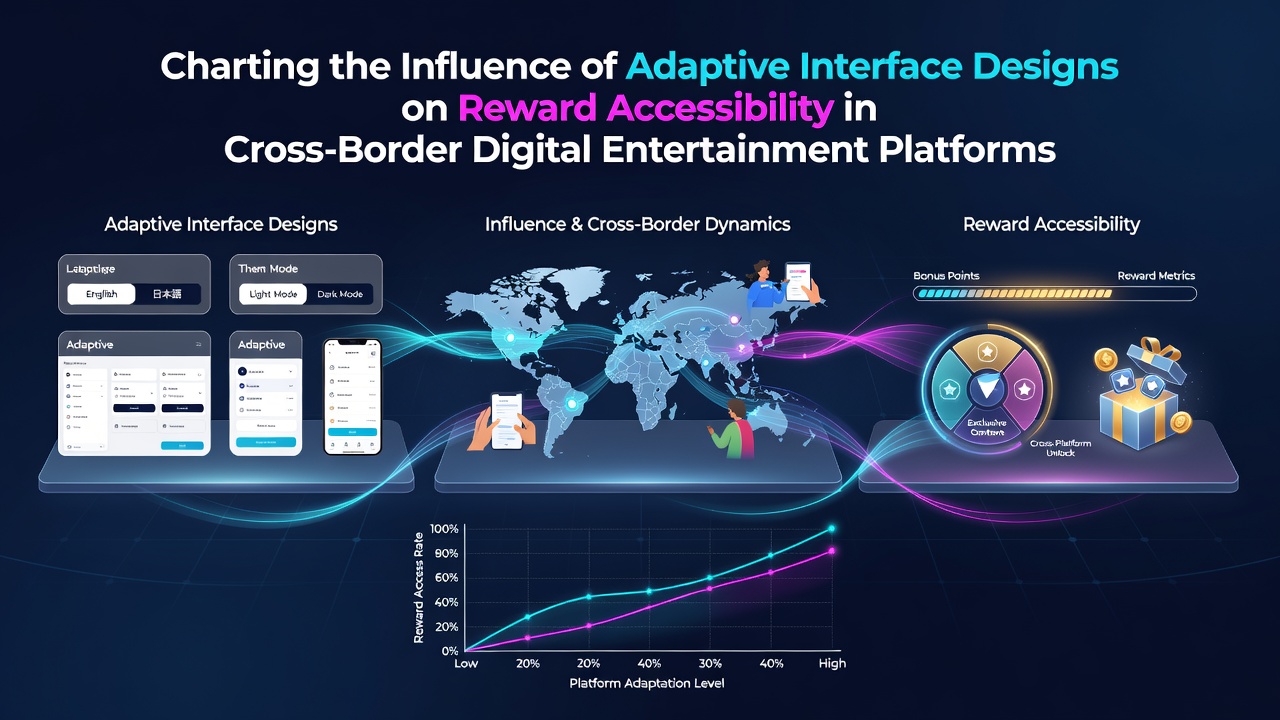
Charting the Influence of Adaptive Interface Designs on Reward Accessibility in Cross-Border Digital Entertainment Platforms
Adaptive interface designs have become central to how cross-border digital entertainment platforms manage reward systems, and observers note that these interfaces adjust layouts, navigation flows, and notification timing based on user location, device type, and regulatory context. Data from platform analytics in 2026 shows that personalized elements such as dynamic menu ordering and location-aware prompt placement affect the rate at which users complete reward claims, while regulatory variations across jurisdictions require interfaces to alter visibility of certain bonus types without disrupting overall user progression.
Core Mechanisms of Adaptation in Multi-Jurisdiction Environments
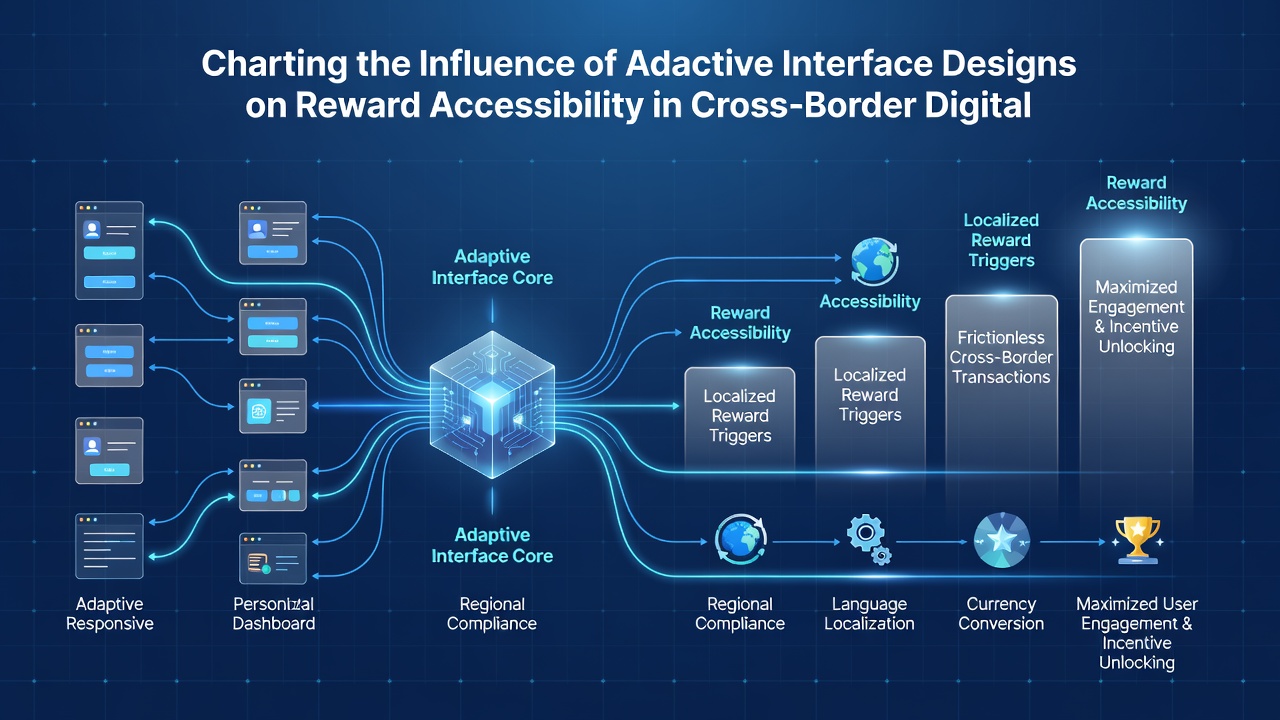
Platforms operating across borders implement rule-based rendering engines that detect IP addresses and apply corresponding interface modifications, and these engines prioritize reward pathways that comply with local statutes while maintaining visual consistency for returning users. Researchers at institutions tracking digital gaming trends documented that session completion rates for reward tasks increased when interfaces reduced the number of confirmation steps for users in regions with streamlined approval processes, whereas additional verification layers appeared automatically in jurisdictions with stricter anti-money laundering requirements. Such conditional rendering connects directly to backend compliance databases that update daily, ensuring that reward accessibility reflects current legal parameters without requiring manual user intervention.
Device-Responsive Reward Pathways and User Progression
Mobile and desktop interfaces diverge in how they surface tiered incentives, with mobile views often collapsing multiple reward categories into swipeable carousels that surface eligibility indicators sooner than desktop equivalents. Figures from industry monitoring services indicate that cross-border users who switch between devices during a single session encounter synchronized progress tracking, so that a partially claimed bonus on one platform version remains accessible when the interface adapts to the second device. This synchronization relies on cloud-stored user profiles that carry metadata about previous interactions, and analysts have recorded higher completion percentages when the system pre-loads reward confirmation screens according to the most recent device context rather than defaulting to a single template.
Regulatory Alignment and Interface Visibility Controls
August 2026 brought renewed focus on how interfaces handle geo-specific reward restrictions, and regulatory filings from multiple oversight bodies reveal that platforms must demonstrate clear separation between accessible and restricted promotional elements. Adaptive systems achieve this separation through progressive disclosure techniques that hide ineligible rewards behind expandable accordions or secondary menus, thereby preserving navigational clarity while satisfying disclosure mandates. A report issued by the Gaming Standards Association outlines technical specifications that support these controls, noting that standardized data fields for reward eligibility allow interfaces to query compliance status in real time across borders. Those specifications also address currency conversion displays that appear alongside reward values, reducing friction for users who move between regions with differing monetary requirements.
Empirical Patterns in Reward Claim Behavior
Longitudinal studies of user interaction logs demonstrate that adaptive interfaces which reorder reward options according to historical claim patterns produce measurable shifts in completion velocity, and these shifts appear consistent across North American, European, and Asia-Pacific user cohorts. Observers tracking platform performance metrics have identified that the placement of progress indicators relative to primary navigation buttons correlates with the speed at which users advance through multi-stage reward programs. When indicators occupy prominent screen positions on smaller viewports, the time between initial eligibility notification and final claim submission shortens, while the same indicators recede into secondary panels on larger screens without comparable delays. Such positioning strategies integrate with A/B testing frameworks that platforms run continuously, allowing interface variants to be evaluated against aggregated claim data segmented by geographic origin.
Technical Integration with Backend Reward Engines
Cross-border platforms maintain centralized reward engines that feed eligibility rules to front-end adaptive layers, and these layers translate the rules into context-specific visual elements such as highlighted call-to-action buttons or contextual tooltips. Integration points include API endpoints that return localized reward descriptions and eligibility flags, enabling the interface to suppress or emphasize pathways according to the detected regulatory profile. Documentation from the Australian Communications and Media Authority on digital platform compliance illustrates how these technical connections support audit trails that record each interface decision, thereby providing regulators with verifiable records of reward accessibility adjustments. The resulting audit capabilities have proven essential for platforms that must demonstrate consistent application of rules across multiple markets without fragmenting the user experience.
Conclusion
Adaptive interface designs continue to shape reward accessibility in cross-border digital entertainment platforms through location-aware rendering, device-responsive layouts, and real-time compliance integration, and the patterns observed through 2026 analytics underscore the direct relationship between interface configuration and user completion rates. As regulatory landscapes evolve, the technical frameworks supporting these adaptations provide platforms with mechanisms to maintain both operational compliance and navigational continuity across jurisdictions.