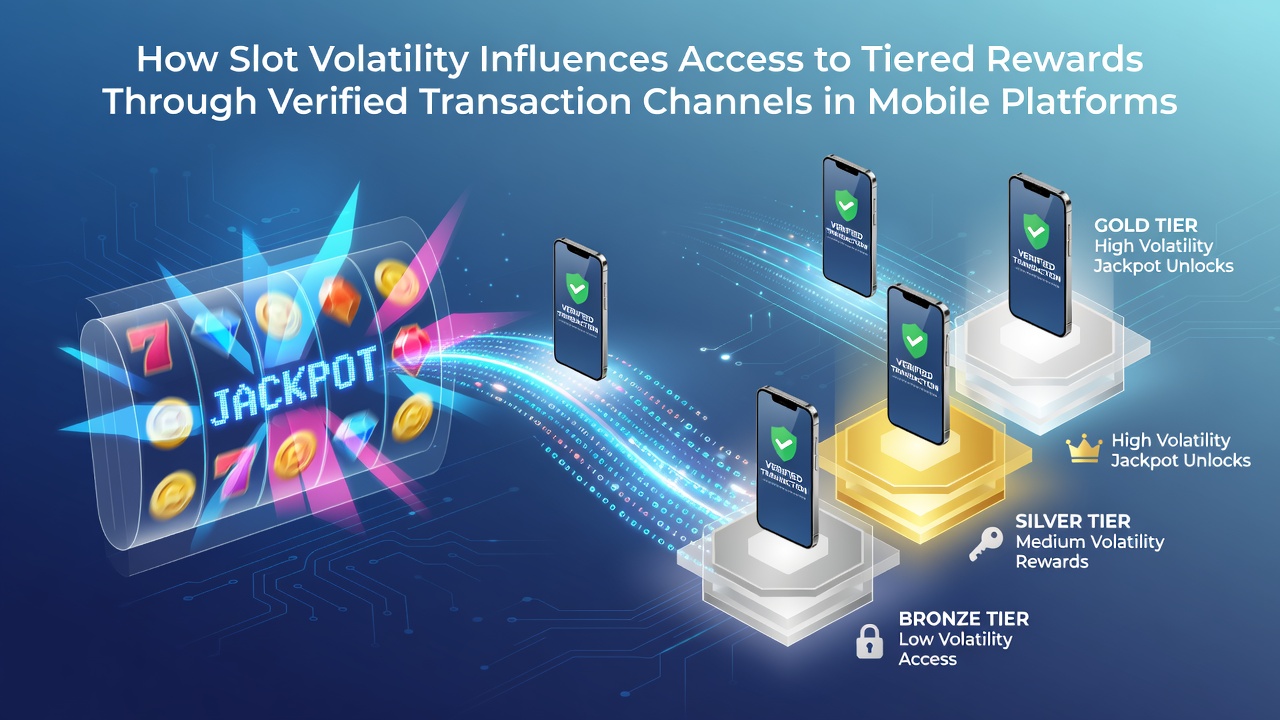
How Slot Volatility Influences Access to Tiered Rewards Through Verified Transaction Channels in Mobile Platforms
Slot volatility refers to the frequency and size of payouts in slot games, and this factor connects directly to how players move through tiered reward systems on mobile platforms when using verified transaction channels. High-volatility slots produce larger but less frequent wins, while low-volatility options deliver smaller payouts more often, and these patterns affect wagering requirements that determine eligibility for progressive reward tiers.
Data from mobile gaming operators shows that players engaging with high-volatility titles often need extended play sessions to meet the thresholds for advancing to higher reward levels, whereas low-volatility games allow quicker accumulation of qualifying activity. Verified transaction channels, which include bank transfers, digital wallets, and card payments that undergo identity confirmation, serve as the gateway for depositing funds that count toward these requirements.
Slot Volatility Patterns and Their Mechanics
Volatility levels in slots get categorized as low, medium, or high based on return-to-player distributions and hit frequencies, with research from gaming analytics firms indicating that mobile users select games according to their preferred risk exposure. Low-volatility slots typically feature hit rates above 30 percent, producing steady small returns that support consistent transaction volumes through verified channels, while high-volatility games hover below 20 percent hit rates and demand larger bankrolls to sustain progress toward tier advancements.
Those who study mobile gaming metrics note that volatility influences session length, because players chasing high-volatility outcomes tend to extend play until a significant payout occurs, thereby increasing the total verified deposits required to unlock successive reward tiers.
Tiered Reward Structures in Mobile Environments
Tiered rewards operate through loyalty programs that grant escalating benefits such as bonus credits, cashback percentages, and exclusive game access as players complete verified deposits and meet playthrough criteria. These structures rely on tracked activity across mobile sessions, where transaction verification ensures compliance with regulatory standards before contributions apply to tier progression.
Operators segment rewards into bronze, silver, gold, and platinum levels, each demanding incremental increases in deposit volume and game engagement, and volatility affects the pace at which players satisfy these benchmarks because payout timing alters how quickly playthrough totals accumulate.
Verified Transaction Channels and Their Role
Verified transaction channels encompass payment methods that undergo real-time authentication, including those integrated with mobile banking apps and e-wallets that confirm user identity before processing. These channels enable seamless deposits that register immediately toward reward eligibility, yet they also impose limits based on verification status that can delay access for unconfirmed accounts.
August 2026 reports from regional gaming authorities highlighted expanded adoption of these channels across mobile platforms, with transaction volumes rising as operators aligned verification protocols with updated risk-assessment frameworks to support tiered incentive delivery.
Interconnections Between Volatility, Rewards, and Transactions
The relationship emerges clearly when examining how volatility shapes deposit frequency through verified channels to reach reward tiers. Players on high-volatility slots often perform larger, less frequent deposits to maintain bankrolls, which accelerates verified transaction counts but requires sustained activity before tier thresholds activate, whereas low-volatility selections encourage smaller, repeated deposits that build steady progress across multiple verified sessions.
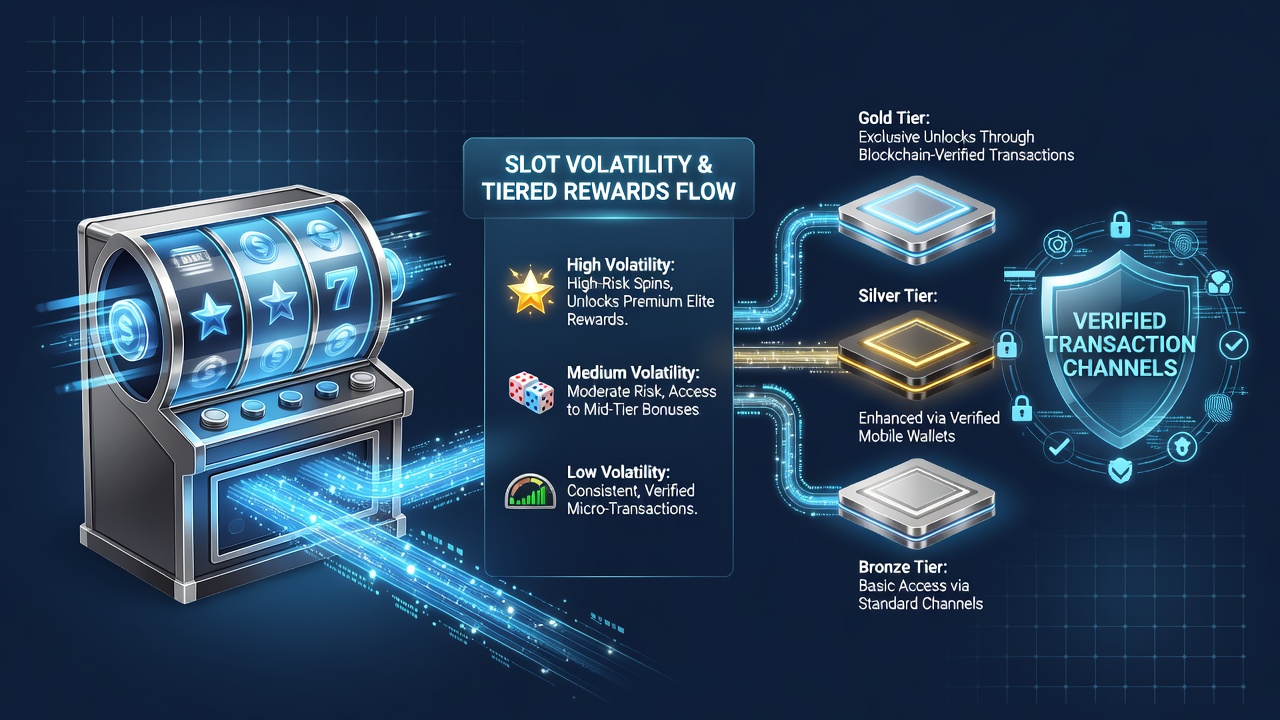
Industry analyses reveal that mobile platforms track these patterns through integrated systems that correlate game volatility data with transaction histories, allowing operators to adjust reward criteria dynamically while maintaining verification standards that prevent unauthorized access to higher tiers.
Mobile Platform Specific Considerations
Mobile interfaces amplify these dynamics because they support instant transaction processing and real-time volatility displays within game menus, enabling users to monitor how their chosen slots influence reward pathway advancement. Verification processes on these platforms incorporate biometric checks and device fingerprinting that tie directly to deposit approvals, ensuring each transaction contributes accurately to tier calculations.
Observers tracking platform metrics in 2026 documented shifts in user behavior where volatility awareness tools helped players optimize deposit strategies through verified channels to align with specific reward milestones.
Regulatory and Data Insights from August 2026
According to the Nevada Gaming Control Board, mobile transaction verification rates increased notably during August 2026 as operators refined protocols to handle volatility-driven play patterns in reward programs. Separate findings from the Australian Gambling Research Centre indicated similar trends, with data showing that verified channel usage correlated with faster tier movement for players favoring medium-volatility titles.
These developments underscore how volatility interacts with transaction verification to determine reward access without altering core eligibility rules across platforms.
Conclusion
Slot volatility shapes the speed and volume of verified transactions needed to progress through tiered rewards on mobile platforms by altering payout frequency and required deposit strategies, with data from regulatory bodies and research institutions confirming these linkages in operational settings. Mobile systems continue to integrate volatility indicators with transaction verification to maintain transparent pathways for reward advancement based on established criteria.