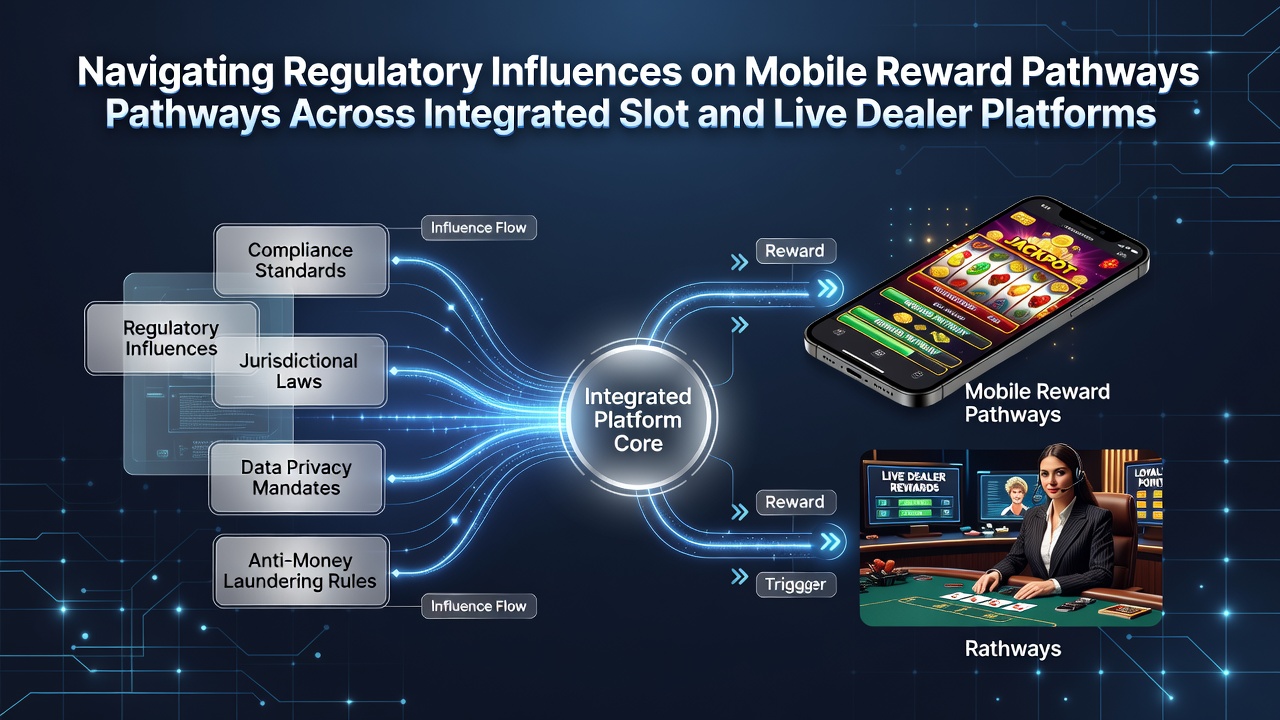
Navigating Regulatory Influences on Mobile Reward Pathways Across Integrated Slot and Live Dealer Platforms
Regulatory bodies across multiple jurisdictions continue to define the boundaries for reward pathways that players encounter when using mobile platforms combining slot machines with live dealer tables, and these rules often determine eligibility criteria, redemption timelines, and integration requirements for promotional credits. Data from industry monitoring groups shows that compliance obligations directly influence how operators structure tiered bonuses, loyalty points, and deposit matches that span both game categories within a single application.
Current Regulatory Frameworks Shaping Mobile Rewards
State-level gaming authorities in the United States maintain distinct standards for promotional offers on mobile devices, requiring operators to separate reward mechanisms for slots from those applied to live dealer sessions while still allowing seamless user navigation. In August 2026 several jurisdictions updated reporting thresholds for reward redemptions exceeding certain amounts, compelling platforms to implement real-time verification steps that apply equally to both game types. European regulators enforce similar transparency measures under anti-money laundering directives that extend to bonus funds used across integrated casino environments.
Canadian provincial commissions apply their own guidelines that affect how mobile reward pathways process cross-game progress, and those rules frequently require operators to maintain separate audit trails for slot-based incentives versus live dealer participation rewards. Australian state regulators likewise impose caps on promotional value tied to mobile sessions, which forces integrated platforms to recalibrate reward multipliers depending on whether a player engages with automated reels or real-time dealer interactions.
Impact on Integrated Slot and Live Dealer Systems
Operators managing combined slot and live dealer offerings must align reward pathways with overlapping compliance layers that address both automated game outcomes and human-managed table play, creating technical demands for unified tracking software. Research indicates that many platforms now embed automated flags within their mobile applications to pause reward accumulation when session patterns trigger regulatory review thresholds, regardless of whether the activity occurs on slots or live tables.

Payment processing rules further intersect with these systems because regulators often require verification of funding sources before any reward conversion into withdrawable balances, and this applies uniformly across both game verticals. One study revealed that platforms incorporating both slot and live dealer content experienced longer approval cycles for tier advancement when cross-game reward data failed to meet jurisdiction-specific formatting standards.
Compliance Challenges Across Jurisdictions
Those who manage multi-state or international mobile platforms frequently encounter conflicting requirements regarding the timing of reward disclosures and the types of documentation needed to validate player eligibility. In regions where slot rewards face stricter contribution rules toward wagering requirements than live dealer bonuses, operators adjust their pathway algorithms accordingly to avoid regulatory penalties. Observers note that August 2026 brought renewed focus on data localization mandates that affect how reward history records are stored for mobile users accessing platforms from different geographic locations.
Industry associations such as the National Indian Gaming Commission have issued guidance on maintaining consistent reward integrity when tribal casinos expand mobile offerings that include both slot and live dealer elements. Similar attention appears in reports from the Australian Communications and Media Authority, which tracks how promotional pathways comply with local advertising and player protection standards.
Technical Adaptations in Mobile Reward Delivery
Developers working on integrated platforms have introduced modular reward engines capable of applying jurisdiction-specific filters without disrupting the player experience between slot sessions and live dealer tables. These engines track regulatory changes in real time and adjust eligibility parameters for bonuses, ensuring that mobile users remain within legal boundaries while progressing through loyalty tiers. Evidence suggests that such adaptability reduces the frequency of compliance interventions during routine audits.
Transaction monitoring tools now incorporate game-type identifiers that help regulators verify whether reward pathways treat slot play and live dealer activity according to applicable contribution percentages. Platforms that successfully implement these distinctions report smoother licensing renewals and fewer restrictions on promotional campaigns that span both categories.
Conclusion
Regulatory influences continue to reshape the architecture of mobile reward pathways that connect slot games with live dealer environments, and operators respond by refining their systems to meet evolving compliance standards across regions. Ongoing updates in 2026 highlight the need for flexible technical solutions that preserve seamless player progression while satisfying distinct legal obligations for each game type.