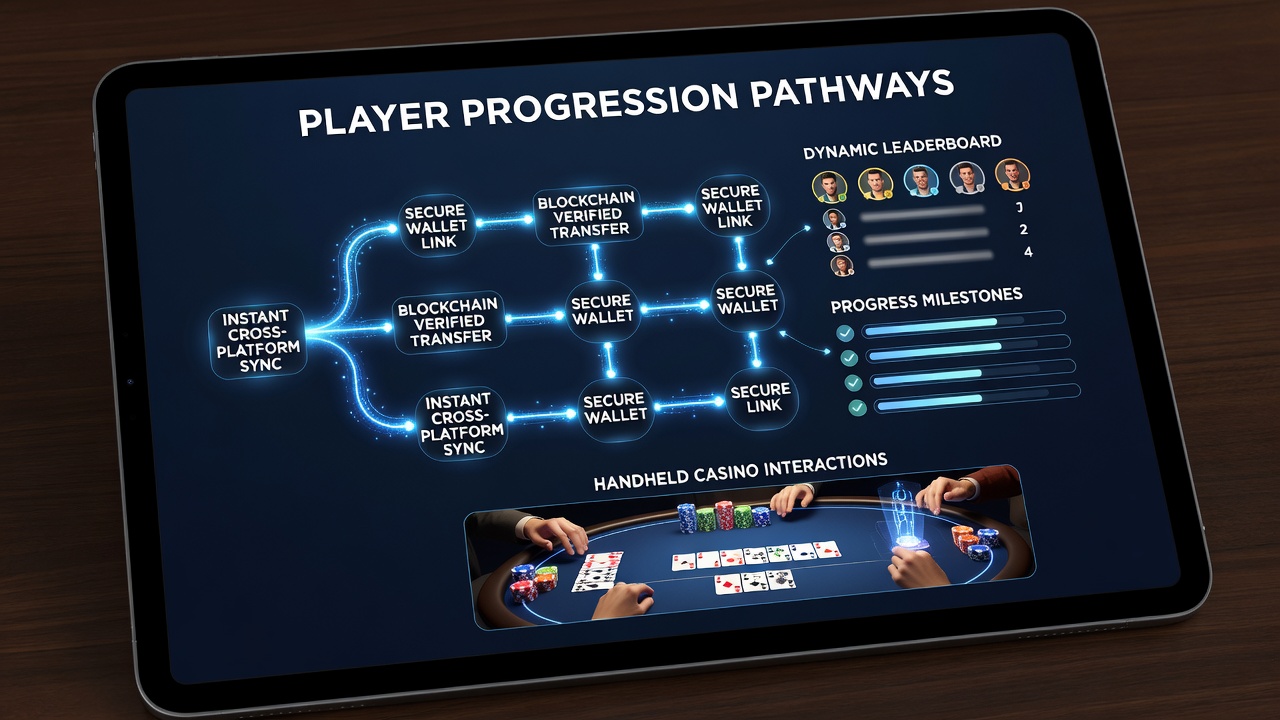
Player Progression Pathways Across Encrypted Transfer Options and Dynamic Table Interactions in Handheld Casino Environments
Player progression in handheld casino environments relies on structured pathways that connect encrypted transfer options with dynamic table interactions, and data from regulatory filings indicate these elements shape how users advance through tiered systems. Encrypted transfers, which include cryptocurrency protocols and secure digital wallets, allow seamless movement of funds while meeting compliance standards set by various oversight bodies. Dynamic tables adjust in real time to player behavior, offering variable stakes and interactive features that align with progression milestones.
Studies from academic institutions reveal that players who combine encrypted transfers with extended table sessions often reach higher tiers faster because these methods support both security requirements and continuous engagement metrics. In August 2026 platform operators updated their systems to integrate more advanced encryption layers, which coincided with expanded mobile adoption across regulated markets. Observers note that such updates create clearer pathways where transaction history directly feeds into reward calculations.
Encrypted Transfer Options and Their Role in Advancement
Encrypted transfer options function as foundational elements for player progression because they provide verifiable transaction records that feed into algorithmic ranking systems. Platforms track deposit frequency, volume, and method type, then map these data points to tier thresholds. Research from the University of Nevada Las Vegas gaming laboratory shows that cryptocurrency-based transfers correlate with accelerated progression rates in mobile settings compared to traditional card methods in certain jurisdictions.
Dynamic table interactions build on these transfers by allowing players to engage in live dealer environments that respond to account status. Tables may adjust minimum bets or unlock special rounds once a player crosses specific encrypted transfer milestones, creating a feedback loop that encourages sustained activity. Those who monitor their progression dashboards often discover that transfer confirmations trigger immediate table customizations.
Dynamic Table Interactions in Mobile Settings
Dynamic table interactions occur when software modifies game parameters based on real-time player data pulled from encrypted ledgers. This includes stake flexibility, bonus round availability, and opponent matching that reflects tier level. Industry reports from the Australian Gambling Research Centre indicate that mobile users who participate in these adaptive tables complete progression cycles at higher rates than those limited to static game formats.
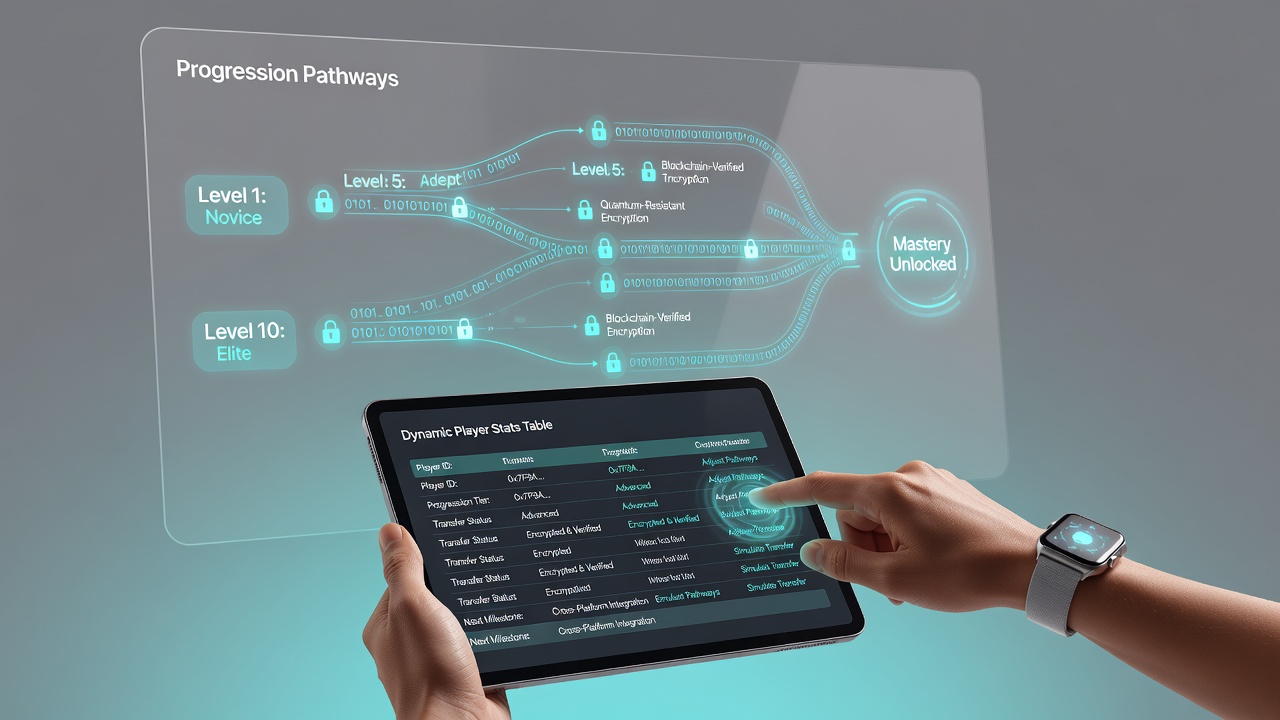
Handheld devices enable constant access to these interactions because push notifications alert users when table conditions align with their current pathway stage. Experts have observed that encryption ensures transfer data remains protected during these sessions, which satisfies both regulatory audits and user security expectations. Platforms in multiple regions now link table performance metrics directly to transfer volume, tightening the connection between financial activity and interactive rewards.
Integrated Pathways Across Regions
Integrated pathways emerge when encrypted transfers and dynamic tables operate together within the same mobile ecosystem. A player initiates an encrypted deposit, which updates their profile, then enters a responsive table where stakes scale according to the new tier. Data compiled by the Nevada Gaming Control Board demonstrates that such integration appears in licensed mobile offerings and supports consistent advancement tracking across sessions.
Those who study these systems find that regional variations affect pathway speed, with some markets requiring additional verification steps before table features activate. Yet the core mechanism remains consistent: transfer records serve as the primary input for progression algorithms while table interactions supply the engagement data that confirms tier eligibility. This structure appears in both established and emerging handheld casino environments.
Conclusion
Player progression pathways across encrypted transfer options and dynamic table interactions continue to evolve in handheld casino environments as operators refine the links between financial activity and interactive features. Regulatory data and research findings show these connections influence how users move through tiers, with encryption providing the security backbone and dynamic tables supplying the engagement layer. As platforms incorporate updates through 2026, the pathways remain dependent on verifiable transfers and responsive table mechanics that operate within established compliance frameworks.