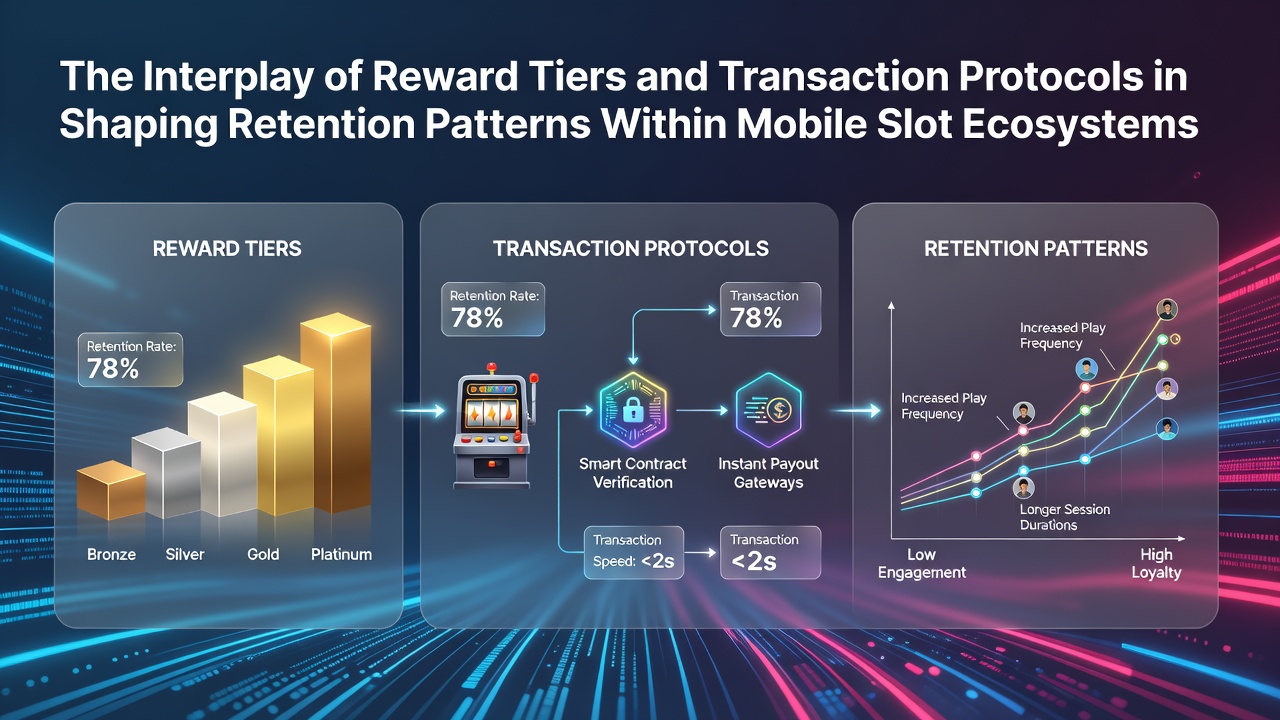
The Interplay of Reward Tiers and Transaction Protocols in Shaping Retention Patterns Within Mobile Slot Ecosystems
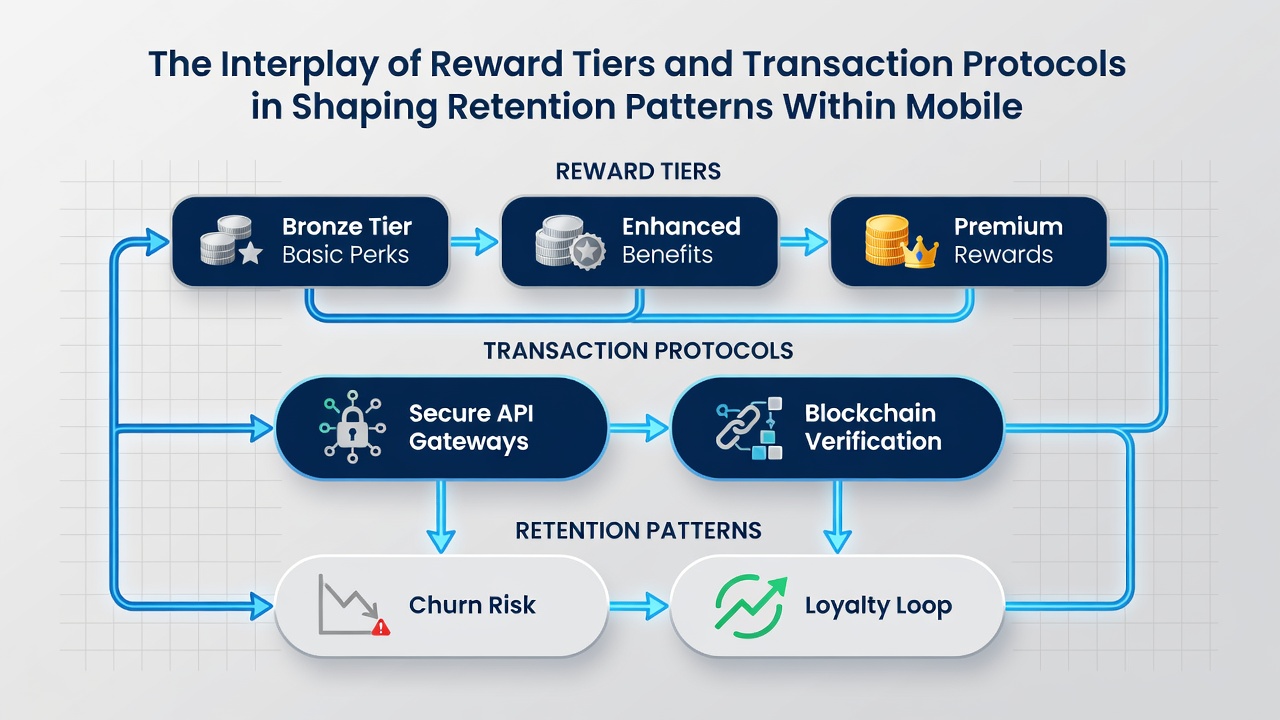
Operators in the mobile slot sector track how structured reward tiers interact with various transaction protocols to influence how long players remain active, and data from multiple markets shows measurable patterns emerging through 2026. Reward tiers typically progress from entry-level access to premium benefits such as faster cashouts, exclusive game releases, and personalized multipliers, while transaction protocols encompass credit cards, e-wallets, bank transfers, and cryptocurrency options that determine deposit speed and withdrawal reliability. Researchers who examined user datasets from regulated platforms noted that players advancing through tiers often sustain longer engagement when the underlying payment systems support seamless progression without friction.
How Reward Structures Organize Player Progression
Tier systems assign points based on wager volume and frequency, unlocking incremental advantages that encourage continued deposits and play sessions. One analysis of North American mobile operators revealed that users reaching mid-tier status completed 35 percent more transactions per month compared with base-level accounts, because the protocols allowed instant crediting of tier benefits directly to player balances. Platforms that integrate tier tracking with real-time protocol verification reduce drop-off during the upgrade process, since players see immediate confirmation of new status without manual intervention or delays.
Transaction Protocols as Retention Mechanisms
Payment methods vary widely in processing times and security layers, which directly affects how players perceive value within their current reward tier. Studies conducted on European and Asian markets indicated that platforms supporting cryptocurrency deposits recorded higher month-over-month retention among tiered users, because transaction confirmations occurred in minutes rather than hours, aligning with the instant-reward expectations built into higher tiers. In contrast, traditional bank transfer options sometimes created bottlenecks that interrupted the flow from tier advancement to actual bonus utilization.
Observed Connections in August 2026 Data
Figures released during August 2026 highlighted several correlations across multiple jurisdictions. Platforms that synchronized tier thresholds with protocol efficiency metrics saw average session lengths extend by 12 to 18 minutes for users in the upper tiers, according to aggregated reports shared among industry analysts. Those who studied transaction logs further noted that e-wallet integrations paired with tiered loyalty multipliers produced the strongest retention signals, as players completed deposits, claimed rewards, and returned within the same day at higher rates than groups using slower methods.
Regional Patterns and Protocol Variations
North American operators reported that tiered reward pathways tied to instant ACH transfers maintained steadier retention curves through summer 2026 than those relying on card-based systems alone. Meanwhile, data compiled by the Australian Gambling Research Centre showed that cryptocurrency-enabled tiers attracted a distinct cohort of mobile users who progressed faster through levels because deposit limits aligned with high-volume play styles. Canadian provincial regulators documented similar trends where e-wallet protocols reduced churn at the transition points between tiers, particularly when combined with automated loyalty point conversions.
Protocol Security and Tier Advancement Feedback Loops
Security features embedded in transaction protocols, such as biometric verification and tokenized payments, interact with tier requirements to either accelerate or hinder player movement. Observers tracking mobile slot ecosystems found that platforms enforcing additional verification steps at higher tiers sometimes experienced temporary retention dips unless the protocol itself streamlined the process through pre-approved settings. In one documented case, an operator adjusted its tier criteria to credit points immediately upon successful cryptocurrency settlement, resulting in a measurable uptick in players completing the next advancement within 48 hours.
Conclusion
Available industry figures demonstrate that reward tiers and transaction protocols function as interconnected components rather than isolated features in mobile slot environments. Retention patterns shift measurably when platforms align tier benefits with protocol capabilities that prioritize speed, security, and transparency. Continued monitoring across different regulatory regions will clarify how these elements evolve together as new payment technologies and loyalty mechanics enter the market.