
Understanding Online Casino Listings: Directories, Verification Processes, and Player Access in 2026
Online casino listings function as centralized directories that compile and rank gaming platforms based on licensing status, game variety, and payment security, and these resources have expanded significantly as digital gambling continues to grow across multiple jurisdictions. Observers note that listings typically draw from regulatory databases to confirm operator credentials while presenting users with structured comparisons of bonus structures, software providers, and withdrawal timelines. Data from industry reports indicate that players in regions with maturing markets rely on such directories to identify compliant sites amid an increasing number of available options.
How Verification Standards Shape Directory Accuracy
Verification within casino listings involves cross-checking operator licenses against records maintained by bodies such as the New Jersey Division of Gaming Enforcement and the iGaming Ontario framework, which requires operators to demonstrate adherence to fair play protocols and financial safeguards before inclusion. Listings often incorporate third-party audits from testing agencies that evaluate random number generators and return-to-player percentages, and these elements appear in directory entries alongside details on supported cryptocurrencies or traditional banking methods. Those who maintain the directories update entries regularly to reflect changes in regulatory standing, ensuring that suspended or non-compliant platforms receive prompt removal.
Regional Trends and October 2026 Developments
Across North America and parts of Asia-Pacific, casino listing platforms have incorporated filters for mobile compatibility and live dealer availability, responding to shifts in player preferences documented in market analyses. In October 2026, several directories reported increased traffic following announcements of new licensing rounds in emerging markets, where operators sought inclusion to reach broader audiences through featured placements. Listings in these regions frequently highlight jurisdictional differences, such as tax treatments on winnings or restrictions on certain game types, allowing users to compare options without navigating individual regulatory websites.
Payment Options and Security Indicators in Listings
Directories present payment method details as standardized fields, including processing speeds for deposits via e-wallets or bank transfers and any associated fees, while also noting encryption standards employed by listed operators. Research from gaming associations shows that listings emphasizing multi-factor authentication and segregated player funds tend to attract higher engagement from users concerned with transaction safety. Connections between these security markers and game catalog depth appear in many directory layouts, where platforms with extensive slot libraries and table game selections receive separate categorization from those focused on niche offerings.
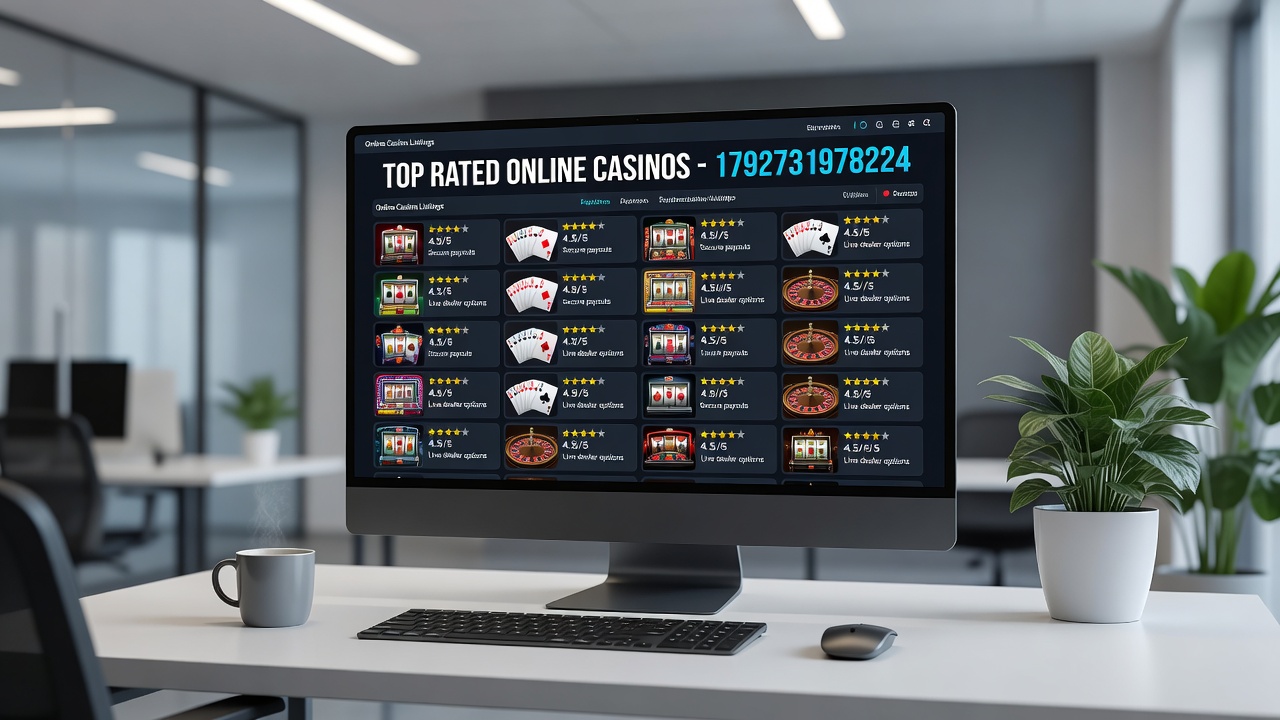
Integration of Bonus Structures and Game Catalogs
Many listings organize bonus information into tiers that distinguish welcome offers from ongoing promotions, with clear notation of wagering requirements and eligible game contributions, and this format helps users evaluate value across competing platforms. According to figures from the European Gaming and Betting Association, directories that link bonus terms directly to specific game providers enable more precise filtering, reducing instances where players encounter mismatched expectations upon registration. Observers have documented how such structured presentations correlate with higher retention rates for listed sites that maintain transparent terms across their catalog updates.
Challenges in Maintaining Comprehensive Listings
Directory operators face ongoing tasks of monitoring license renewals and detecting unauthorized operators that attempt to appear in search results without proper credentials, and these efforts involve collaboration with regulatory agencies to flag discrepancies. Data indicates that listings incorporating user-submitted verification elements alongside official records achieve broader coverage, though the process requires consistent moderation to preserve accuracy. In October 2026, several platforms introduced automated alerts for regulatory changes, allowing listings to reflect new compliance requirements without manual delays.
Conclusion
Online casino listings serve as essential navigational tools that aggregate licensing data, payment details, and catalog information into accessible formats for users across regulated markets. As verification methods evolve and regional frameworks expand, these directories continue to adapt by integrating updated security indicators and regional compliance notes, supporting informed access to digital gaming environments while aligning with requirements from diverse oversight bodies.